

How Credit Card Processors Can Unlock the Peptide Revolution

Table of Contents

A Clear Path to Better Health, Better Research, and Modern Payments

America Faces a Public Health Emergency

The United States is living through a public health emergency. Life expectancy has declined, and chronic disease, obesity, and mental health crises continue to rise. Traditional treatments alone are not reversing these trends. At the same time, a new field, peptide science, is showing a major promise for improving overall health.

Peptides are short amino-acid chains studied for metabolism, recovery, immunity, inflammation control, and brain health. Research teams worldwide are expanding peptide research, including anti-aging peptides that may support healthier aging. This momentum creates an opportunity to modernize both healthcare and financial access.

But outdated payment systems remain a major barrier.

Today’s health landscape demands faster innovation. Millions of Americans are searching for safer, targeted options that address root causes instead of simply managing symptoms.

Clinics, wellness practices, and small businesses want to help people. They aim to provide tools for better metabolic health. They also want to reduce inflammation and support long-term vitality.

Yet as new therapies gain recognition, the financial infrastructure required to bring them to market has not kept up. Payment delays, restrictive underwriting, and limited access to card networks prevent many legitimate wellness brands from serving customers. Without modernization, promising therapies will continue to face unnecessary obstacles that slow progress for everyone.

The Promise of Peptides for Better Health

Peptides are becoming one of the most exciting categories in modern wellness. They are being explored for:

  • Metabolism and weight management
  • Tissue repair and recovery
  • Immune function
  • Gut health
  • Mental performance
  • Cellular aging

Many consumers and clinics now see peptides as a new health product. They believe these may help support long-term health.

Demand is growing, yet payments remain difficult because processors lack clear rules. As more providers add peptide programs to their care models, reliable payment options become more important.

Customers want secure and easy transactions, whether in the office or online. However, many peptide-focused businesses still face challenges. These challenges limit growth and reduce access for the people who need these tools the most.

Why Payment Barriers Are Holding Back Innovation

Most peptide companies are treated as high risk, even when they follow all regulations. Many payment processors and credit card processors avoid the industry because unclear FDA categories create confusion.

This affects merchants in several ways:

  • Higher processing fees
  • Extra reserves
  • Limited approval from the issuing bank
  • Fewer options from credit card processing companies
  • Loss of Apple Pay, mobile payments, and modern wallets
  • Delays in settlement beyond standard business days
  • Difficulty scaling sales volume

Some processors do not support peptides. This is true even for real online businesses, wellness clinics, and small health care companies.

Modernization is overdue. As demand increases, these payment barriers restrict responsible growth and prevent customers from accessing safe, well-regulated products. Clear national guidelines would help merchants operate with confidence, reduce financial bottlenecks, and give processors predictable standards to follow. Without these updates, the industry will continue facing unnecessary friction that slows progress for everyone involved.

A Clear Path Forward: The Healthy Innovation and Peptide Advancement Act

Why Payments Matter for Scientific Progress

When payment access is restricted, promising therapies struggle to reach researchers, physicians, and consumers. Without fair access to payment processing services, innovation slows and fewer companies can afford to develop new peptides.

This is especially harmful for:

  • Emerging biotech brands
  • Longevity clinics
  • Functional-medicine practices
  • Research labs
  • Entrepreneurs building compliant wellness sites

A modern financial structure would support safer products and better consumer protections. Clear and reliable payment options would encourage fair competition.

They would help small businesses enter the market. This would also reduce the financial uncertainty that stops many organizations from investing in peptide research. With clear systems, the ecosystem becomes stronger. Easier to understand and more accessible to the people it serves.

A Clear Path Forward: The Healthy Innovation and Peptide Advancement Act

This act creates predictable rules that allow compliant businesses to operate safely and responsibly.

1. Payment Clarity

Clear federal guidance would help payment processing companies understand what is allowed. This encourages more processors offering solutions to support the industry.

2. A Certified Peptide Compliance Program

Merchants would use clear standards. This includes proper labeling, documentation, and disclaimers. This way, processors can approve payment gateway access without worrying about violations.

3. Access to Modern Payment Options

With proper oversight, peptide merchants could use:

  • Modern card readers
  • Digital wallets
  • Apple Pay
  • Faster settlement windows
  • Lower reserves
  • Standard card-network protections

This allows safe, compliant, and processed payments across all channels.

4. Research Support

Funding incentives would speed up clinical testing of new peptides. They will help us learn more about different types of peptides. These include anti-aging peptides, metabolic peptides, brain-health peptides, and immune-support peptides.

5. Consumer Education

Clear public messaging would reduce misinformation and reduce chargebacks, something processors and merchants both need.

Why This Matters

A modern financial structure would support safer products and better consumer protections. Clear and reliable payment options would encourage fair competition.

They would help small businesses enter the market. This would also reduce the financial uncertainty that stops many organizations from investing in peptide research. When there are clear systems in place, the whole ecosystem becomes stronger. It also becomes more open and easier for the people it serves.

Peptide Payment Processing will continue to advocate for merchants who operate ethically, transparently, and within regulatory guidelines. Our goal is simple: we want responsible businesses to have fair access to payment tools and modern gateways. We also want them to have the financial stability they need to grow.

As policies change, we will continue to support merchants. We will provide education, clear compliance, and reliable payment solutions for the peptide industry.

Disclaimer:

This content is for informational and educational purposes only. It does not provide medical, legal, or financial advice. Peptide products must follow all applicable laws, labeling requirements, and regulatory guidelines. Consumers should consult qualified professionals before using any wellness or research products.

U.S. life expectancy and mortality trends

Anchor: latest U.S. life expectancy data

URL: CDC “Mortality in the United States, 2023”CDC

Place in: “America Faces a Public Health Emergency.”

General life expectancy overview

Anchor: National Center for Health Statistics life expectancy overview

URL: CDC life expectancy pageCDC

Therapeutic peptide science overview

Anchor: NIH-backed review of therapeutic peptides

URL: NLM/PMC “Therapeutic peptides: current applications and future directions”PMC

Place in: “The Promise of Peptides for Better Health.”

Recent advances in peptide therapeutics

Anchor: recent advances in peptide therapeutics

URL: NLM/PMC “Therapeutic Peptides: Recent Advances in Discovery…”PMC

Regulatory status of peptide compounding

Anchor: FDA guidance on compounding and peptide bulk substances

URL: FDA bulk drug substances risk pagefda.gov

Optional second link: FDA “Compounding and the FDA: Questions and Answers”fda.gov

Place in: “Why Payment Barriers Are Holding Back Innovation.”

High-risk financial services analogy (cannabis / hemp)

Anchor: FinCEN guidance on high-risk industries

URL: FinCEN marijuana‐related business guidanceFinCEN.gov

Place in: “A Clear Path Forward” when you mention SAFE-Banking-style frameworks.

Small business / online business resources

Anchor: SBA guide for starting an online business

URL: SBA “5 Ways to Start Selling Online”Small Business Administration

OR anchor: SBA business guide for small businesses

URL: SBA Business GuideSmall Business Administration

Place in: “Why Payments Matter for Scientific Progress” near small businesses / entrepreneurs.

The GLP-1 Boom: How Peptides and Payment Innovation Are Colliding in 2026

Table of Contents

The Peptide Market’s 2026 Boom

Few industries have experienced the growth surge that the peptide sector is seeing in 2026. Fueled by global demand for GLP-1 and GLP-3 receptor agonists, these molecules have become the center of public discussion about metabolic health, longevity, and healthcare costs.

As pharmacies, clinics, and research labs scramble to meet demand, payment processors are facing an equally rapid shift. Peptide merchant onboarding, FRPO compliance, and bank risk standards have become the deciding factors for whether a business can operate legally and sustainably.

High-risk payment processors like Peptide Payment Processing now play a vital role in helping legitimate merchants build transparent, compliant systems that handle GLP sales securely and professionally.

GLP-1 and GLP-3: The New Mainstream

Originally developed for metabolic research and diabetes management, GLP-1 and GLP-3 peptides have become household names. They influence appetite control, blood-sugar stability, and energy balance, and their impact is being studied well beyond traditional clinical settings.

The market now includes:

  • Injectable GLP-1 agonists sold under strict prescription rules.

  • Sublingual and oral versions that promise greater accessibility.

  • Research-use formulations used for R&D and analytical applications.

As interest grows, so does the need for regulated commerce. Unverified sites, false claims, and consumer sales of “research-only” products have created a compliance crisis that banks and card brands are rushing to address.

The Policy Push to Lower Healthcare Costs

Across Washington and state legislatures, leaders from both parties are working to make life-changing therapies more affordable. Several new federal initiatives aim to reduce drug prices and improve access to metabolic treatments like GLP-1s.

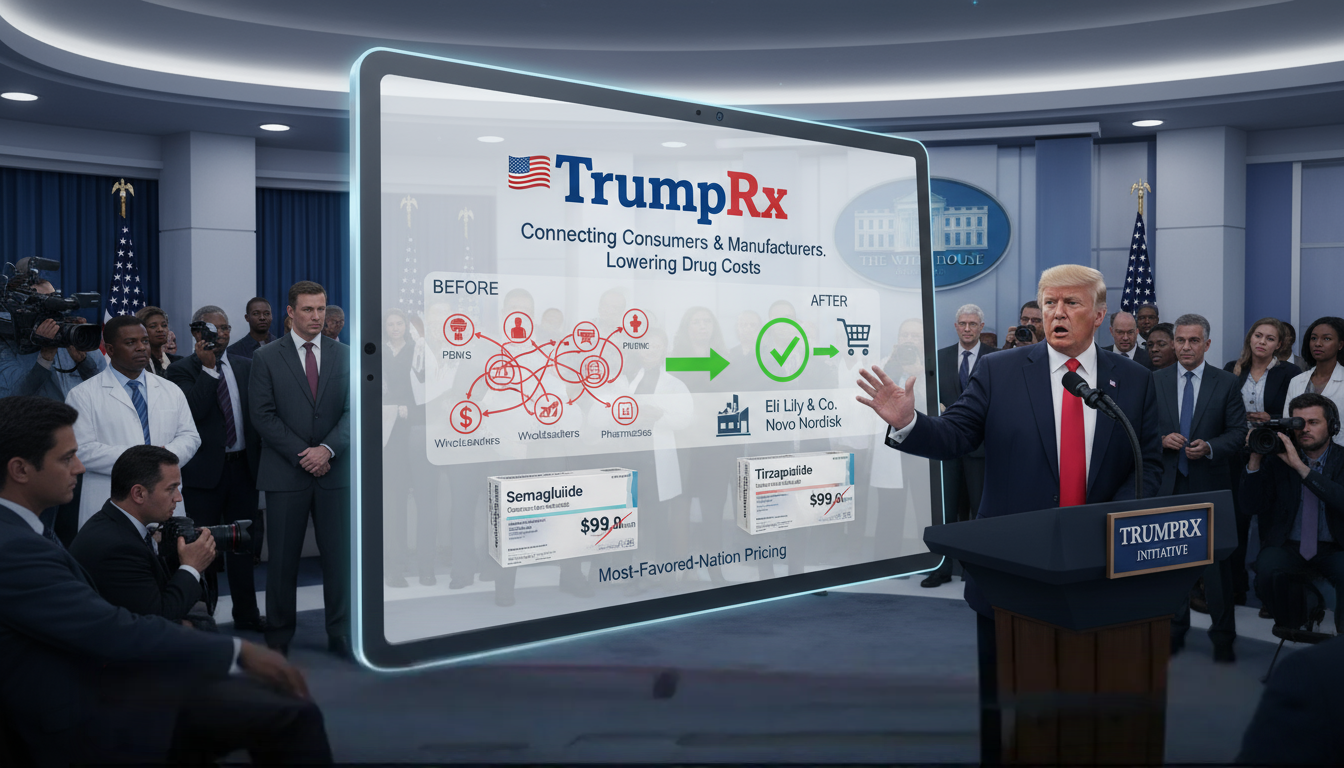
One flagship effort, the TrumpRx platform, is designed to connect consumers directly with manufacturers at negotiated rates, effectively cutting out intermediaries like pharmacy benefit managers and reducing the mark-ups that many believe have driven U.S. drug costs higher. Pfizer+3TrumpRx+3Buchanan Ingersoll & Rooney+3

In November 2025, the Donald Trump administration announced major deals with Eli Lilly and Company and Novo Nordisk to lower the monthly cost of key GLP-1 drugs such as Semaglutide and Tirzepatide. The agreements align U.S. pricing with “most-favored-nation” benchmarks, economies comparable to the U.S. where the same drugs are sold at lower rates. The White House+2Pharmacy Times+2

As a result, a friendlier environment is emerging for licensed pharmacies and research suppliers to compete ethically. Lower wholesale costs, transparent distribution, and direct-to-consumer models may soon reshape how peptides and metabolic therapies reach clinicians and research institutions.

In turn, merchants in the peptide space must prepare for greater financial visibility, a trend that demands accurate labeling, regulated payment flows, and robust merchant monitoring.

Donald Trump administration announced major deals with Eli Lilly and Company and Novo Nordisk to lower the monthly cost of key GLP-1 drugs such as Semaglutide and Tirzepatide

How Peptide Payment Processing Enables the Industry

High-risk merchants in the peptide sector face more scrutiny than ever. Peptide Payment Processing specializes in helping businesses stay compliant without sacrificing growth.

Core solutions include:

  • FRPO labeling verification and research-only attestation systems

  • Legal review and merchant onboarding documentation

  • ACH peptide payments and alternative rails for high-risk accounts

  • Tokenized security and chargeback protection for card sales

  • Real-time settlement and cash-flow reporting

  • ISO and agent support for high-risk merchant onboarding

These tools enable research-only vendors, licensed pharmacies, and contract manufacturers to accept credit cards and ACH securely, without fear of suspension or loss of funding.

Oral Peptides and Next-Gen Therapeutics

While injectables still dominate the peptide market, a major shift is underway: oral and sublingual formulations of GLP-1 and GLP-3 analogues are entering late-stage development. A landmark phase 3 trial, published in the The New England Journal of Medicine in September 2025, studied the daily oral agent Orforglipron in over 3,100 adults with obesity (but without diabetes) for 72 weeks. Participants saw average weight reductions of between −7.5% and −11.2% depending on dose, compared with −2.1% in the placebo group. Over 54% of the highest-dose group achieved a weight loss of 10% or more. PubMed+2American College of Cardiology+2

This trial is significant for two reasons: first, it demonstrates that a once-daily pill can approach the efficacy of injectable GLP-1 receptor agonists. Second, it signals that delivery barriers, which once limited peptides to injections, are being overcome. For peptide merchants, this evolution presents new opportunities and new compliance challenges.

Key implications for the merchant space:

  • Higher demand and broader reach. Oral peptides can drive consumer interest and expand market size beyond clinics administering injections.

  • New product classifications. Oral formulations blur the line between “research use only” peptides and therapeutic drugs marketed for consumers, requiring stricter labeling, marketing controls, and payment system scrutiny.

  • Increased underwriting risk. Financial institutions and processors will expect documentation about product source, manufacturing, and distribution for oral peptides just as they do for injectables.

  • Payment infrastructure readiness. Merchants must ensure their checkout flows, attestation systems, and reporting mechanisms can support the volume and scrutiny brought by these next-gen products.

For high-risk merchant services like Peptide Payment Processing, the arrival of oral peptides means adapting compliance frameworks, updating SOPs, and introducing real-time fraud and chargeback protections aligned with this new product class.

In short, the transition to oral peptides is not just a scientific breakthrough, it’s a commercial inflection point for the payment ecosystem that serves peptide merchants.

The Ethical and Public Health Debate

Beyond commerce, the conversation around peptides has shifted dramatically. What was once dismissed as fringe research is now viewed as a legitimate tool in addressing obesity, cardiovascular disease, insulin resistance, and chronic inflammation, conditions that continue to drive premature mortality and rising healthcare costs in the United States. According to recent public health data, obesity rates are still climbing with “no end in sight,” underscoring the urgency of new, science-based solutions (TCTMD, 2025).

Public-health advocates argue that responsible, regulated access to GLP-1 and GLP-3 peptides could help shift these long-term health trends. Interestingly, political and public figures who once opposed such therapies are reassessing their positions in light of emerging data.
Robert F. Kennedy Jr., for example, initially criticized GLP-1 drugs as emblematic of America’s “addiction to pharmaceutical quick fixes,” insisting diet and exercise alone could solve the obesity epidemic. However, he has since acknowledged that these “extraordinary drugs” do have a place, particularly for individuals with diabetes or those who have exhausted lifestyle interventions (Stat News, 2025). Kennedy now supports creating a regulatory framework for insurance coverage, ensuring access for eligible patients through Medicare and Medicaid while maintaining a national focus on nutrition and preventive health.

This evolution reflects a broader cultural shift: one where peptides are no longer viewed as shortcuts but as complementary tools within a holistic healthcare strategy. As researchers, clinicians, and policymakers align around evidence-based use, the commercial side must keep pace. Transparent payment systems, compliant merchant practices, and secure gateways, like those offered by Peptide Payment Processing, will be essential for ensuring that peptide commerce grows responsibly alongside public trust.

In short, the industry is maturing, and payment systems must mature with it.

The Peptide Paradigm Shift

What It Means for High-Risk Merchants

For merchants, this moment represents both opportunity and obligation. The peptide industry has massive growth potential, but without high-risk merchant accounts, regulated gateways, and verified payment processors, businesses will struggle to stay active.

Key takeaways:

  • Always separate research-only and consumer use inventory.

  • Use verified bank partners familiar with high-risk industries.

  • Provide clear product labels, SOPs, and checkout attestation.

  • Ensure websites contain no medical or health claims.

  • Invest in chargeback controls and transparent reporting.

When done correctly, peptide merchants can build stable accounts that grow over time and stay compliant with financial institutions.

The Human Side of Innovation: Balanced Intelligence in a High-Risk Industry

In his essay “The Importance of Balanced Intelligence,” A Midwestern Doctor argues that societies often prioritize one narrow type of intellectual intelligence while under-valuing other forms such as emotional, strategic, or critical thinking. Midwestern Doctor

In the context of emerging peptide therapies and high-risk payment processing, this insight is remarkably relevant. The industry demands more than scientific breakthroughs or sharp business tactics, it requires a balanced approach that blends technical expertise with ethical judgment, compliance rigor, and long-term vision.

  • A researcher may understand molecular structures of GLP-1 or GLP-3 peptides, but without operational controls, such as proper labeling, B2B attestation or regulated checkout flows, the merchant risks regulatory scrutiny or financial fallout.


  • A payments processor might build a state-of-the-art gateway, but without understanding the human dynamics of fraud, consumer use vs. research-only channels, and payment network expectations, the system becomes brittle.


  • A business may have explosive growth, but without balanced intelligence, meaning awareness of regulatory shifts, price sensitivity, and supply-chain integrity, the growth may collapse under brand-risk or compliance failures.


By citing the broader principle that “intelligence does not equate to resistance to mind control,” we are reminded that even the smartest ideas require context, oversight, and safeguards. Midwestern Doctor

For merchants, labs, and processors in the peptide ecosystem, the takeaway is clear: scientific mutation and payment innovation alone will not suffice. The competitive edge lies in integrating technical accuracy, ethical compliance, payment infrastructure, and strategic foresight into one cohesive operation. This is true intelligence in motion.

Conclusion & Next Steps

The GLP-1 era is redefining healthcare, finance, and commerce all at once. What began as a breakthrough in metabolic medicine has now become an economic and regulatory movement reshaping how therapies reach patients and how payments flow across the healthcare ecosystem.

From oral GLP-1s like Orforglipron entering clinical use, to new policies like the TrumpRx platform and “Most-Favored-Nation” pricing models lowering drug costs, the peptide sector is becoming one of the fastest-evolving markets in the life-sciences economy. With that growth comes increased oversight from financial institutions, card brands, and the FDA. Every label, attestation, and transaction must align with research-use-only standards and transparent merchant practices.

For merchants, labs, and suppliers operating in this high-risk vertical, the future is not just about science,  it’s about secure payment infrastructure that evolves alongside regulation. Peptide commerce now demands precision, compliance visibility, and tools that can support both traditional and alternative payment rails.

Peptide Payment Processing is at the forefront of that shift. Our platform delivers:

  • High-risk merchant accounts tailored for peptide and research-supply businesses


  • ACH and eCheck processing for added stability and reduced card-brand exposure


  • Real-time fraud protection and chargeback monitoring to safeguard revenue


  • Underwriting support and documentation templates to accelerate approvals


  • Transparent reporting and compliance dashboards for ongoing oversight


Whether you’re launching a new peptide storefront, scaling a licensed research lab, or restructuring your merchant model for regulatory compliance, the foundation begins with a processor that understands your industry.

To explore solutions or request a compliance review, visit Peptide Payment Processing – Merchant Onboarding or contact our underwriting team for a custom compliance evaluation.

Because in the next generation of healthcare commerce, secure, compliant, and intelligent payments are the true competitive advantage.